
Solid & Sludge Testing
In industries that deal with waste management and treatment, solid sludge is a common byproduct. Analyzing and understanding the composition and characteristics of this sludge is crucial for ensuring environmental compliance, reducing disposal costs, and optimizing treatment processes.
we specialize in solid sludge test analysis, offering comprehensive solutions to help industries make informed decisions regarding waste management.
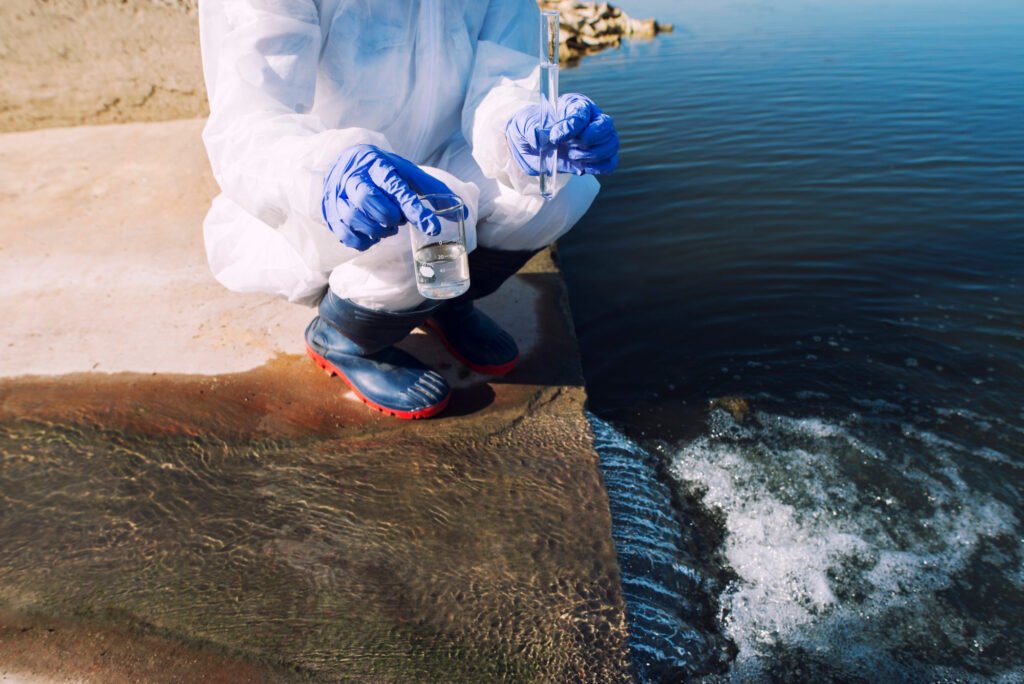
Solid sludge test analysis involves a series of laboratory tests and assessments to determine the physical and chemical properties of sludge samples.
- Composition, Moisture Content
- Organic Matter, Heavy Metal Content
TESTING PARAMETERS
- pH
- Moisture content
- Volatile Solids
- Total Solids
- Bulk Density
- Specific gravity
- Particle Size Distribution
- Conductivity
- Acid Solubility / Insoluble
- NPK (Nutrients)
- Heavy Metals (Fe, Cu, Hg, Zn, Pb, Cd, Cr, Ni, As)
BATH SOAP TESTING
- pH Value
- Moisture Content
- TFM (Total Fatty Matter)
- Free Alkali
- Foam Height/Lather Ability (in ml)
BACTERIAL ANALYSIS
- Total Coliforms
- E. coli
- Faecal coliform
- Salmonella
APPLICATIONS:
(STP/ETP)
- Process monitoring
- Sludge handling optimization
- Dewatering efficiency
- Disposal compliance
INDUSTRIAL APPLICATIONS
- Process residue management.
- Metal contamination monitoring
- Hazardous waste classification
AGRICULTURE & COMPOSTING
- Soil conditioning suitability
- Pathogen safety verification
- Fertilizer value assessment
ENVIRONMENTAL MONITORING
- Landfill contamination studies
- Pollution control board compliance
- Environmental impact assessments
POWER PLANTS & BOILERS
- Ash and sludge characterization
- Disposal and reuse studies
RECOMMENDED TEST FREQUENCY
- STP/Sewage Sludge – Daily to Weekly
- Industrial Sludge – Weekly – Monthly
- Hazardous sludge – Monthly to
Quarterly - Compost / Organic sludge – Monthly
- Landfill Sludge – Quarterly
- Regulatory Compliance Testing as per
CPCB/SPCB Norms
TESTING PARAMETERS
- pH
- Moisture content
- Volatile Solids
- Total Solids
- Bulk Density
- Specific gravity
- Particle Size Distribution
- Conductivity
- Acid Solubility / Insoluble
- NPK (Nutrients)
- Heavy Metals (Fe, Cu, Hg, Zn, Pb, Cd, Cr, Ni, As)
BATH SOAP TESTING
- pH Value
- Moisture Content
- TFM (Total Fatty Matter)
- Free Alkali
- Foam Height/Lather Ability (in ml)
BACTERIAL ANALYSIS
- Total Coliforms
- E. coli
- Faecal coliform
- Salmonella

APPLICATIONS:
(STP/ETP)
- Process monitoring
- Sludge handling optimization
- Dewatering efficiency
- Disposal compliance
INDUSTRIAL APPLICATIONS
- Process residue management.
- Metal contamination monitoring
- Hazardous waste classification
AGRICULTURE & COMPOSTING
- Soil conditioning suitability
- Pathogen safety verification
- Fertilizer value assessment
ENVIRONMENTAL MONITORING
- Landfill contamination studies
- Pollution control board compliance
- Environmental impact assessments
POWER PLANTS & BOILERS
- Ash and sludge characterization
- Disposal and reuse studies
RECOMMENDED TEST FREQUENCY
- STP/Sewage Sludge – Daily to Weekly
- Industrial Sludge – Weekly – Monthly
- Hazardous sludge – Monthly to
Quarterly - Compost / Organic sludge – Monthly
- Landfill Sludge – Quarterly
- Regulatory Compliance Testing as per
CPCB/SPCB Norms
Solid & Sludge Testing
In industries that deal with waste management and treatment, solid sludge is a common byproduct. Analyzing and understanding the composition and characteristics of this sludge is crucial for ensuring environmental compliance, reducing disposal costs, and optimizing treatment processes.
we specialize in solid sludge test analysis, offering comprehensive solutions to help industries make informed decisions regarding waste management.
Solid sludge test analysis involves a series of laboratory tests and assessments to determine the physical and chemical properties of sludge samples.
- Composition, Moisture Content
- Organic Matter, Heavy Metal Content
Benefits of Solid Sludge Test Analysis
Environmental Compliance
Environmental regulations and standards require industries to properly manage and dispose of their waste, including solid sludge
Optimize Waste Treatment Processes
composition and characteristics of solid sludge enables businesses to optimize their waste treatment processes
Resource Recovery
Solid sludge often contains valuable resources that can be recovered and reused, such as organic matter or heavy metals.
Cost Reduction
Solid sludge disposal can be expensive, especially if it requires specialized treatment facilities.
Risk Assessment and Mitigation
Certain types of solid sludge may pose risks to human health and the environment safety of their employees and surrounding communities.
Continuous Improvement
By comparing test results over time, industries can identify trends, make data-driven decisions, and implement continuous improvement measures
- Drinking Water as per 1S 10500: 2012
- Packaged Mineral Drinking Water as per 1S 13428: 2005
- Borewell Water
- Mineral Water
- Ground Water
- Surface Water
- Sea Water
- Swimming Pool Water as per IS 3328:1993